This article may contain affiliate links. If you make a purchase through these links, we may earn a small commission at no extra cost to you. This helps us keep creating free content.

How to Introduce Non-Gamers to Modern Board Games
You love board games. Your friends and family think you mean Monopoly and Risk. Sound familiar? If you have ever tried to get someone excited about the hobby and watched their eyes glaze over as you explain action selection mechanisms, this guide is for you.
Introducing people to modern board games goes wrong in predictable ways: the wrong first game, too many rules at once, too much table time before anything fun happens. The approach below avoids those mistakes, whether you are the friend who always brings games to gatherings or you are running an after-school board game club. Here is everything that matters.
The Golden Rule: Start with the Person, Not the Game
This is the single most important thing to get right. Before you pick a game, think about who you are introducing. What do they enjoy? What is their attention span? How competitive are they? Are they analytical or creative?

A math teacher who loves puzzles needs a different gateway than a social butterfly who wants to laugh. A parent with three kids needs a different entry point than a couple looking for date night entertainment. The game should fit the person, not the other way around.
Choosing the Right First Game
The perfect gateway game has five qualities:
- Teach time under 5 minutes. Every minute of rules explanation is a minute of fading enthusiasm. If you cannot explain a game while setting it up, it is too complex for a first game.
- Play time under 45 minutes. First experiences should be short. You want them asking "can we play again?" not checking their phone wondering when it ends.
- Immediate engagement. Players should make their first meaningful decision within two minutes of the game starting. Front-load the fun.
- Visually appealing. Gorgeous components hook people before the first turn. It sounds superficial, but it matters enormously.
- Low potential for humiliation. Avoid games where experienced players crush newcomers. Nothing kills enthusiasm faster than losing 150-to-20.

My Go-To Starter Games by Player Type
For competitive thinkers: Splendor or Azul. Clean rules, deep decisions, satisfying puzzle.
For social groups: Codenames or The Resistance. Team-based, loud, hilarious. The game almost runs itself.
For families with kids: Ticket to Ride or King of Tokyo. Simple enough for ages 8+, fun enough for adults.
For cooperative personalities: Forbidden Island or The Crew. Working together removes the anxiety of direct competition.

For couples: 7 Wonders Duel or Patchwork. Designed specifically for two, deep enough to replay endlessly.
How to Teach Rules Without Losing People
This is where most hobbyists accidentally kill the mood. You know the game inside and out. You are excited. You want to share every clever mechanism. Resist that urge. Here is a better approach.
The "Why, What, How" Framework
Start with WHY (10 seconds). Give the game a narrative hook. "You're building the most beautiful palace wall in Portugal" beats "This is a tile-drafting abstract strategy game." Context makes rules stick.
Explain WHAT you are trying to do (20 seconds). State the win condition clearly and simply. "Most points wins, and you get points by completing patterns on your board." Done.
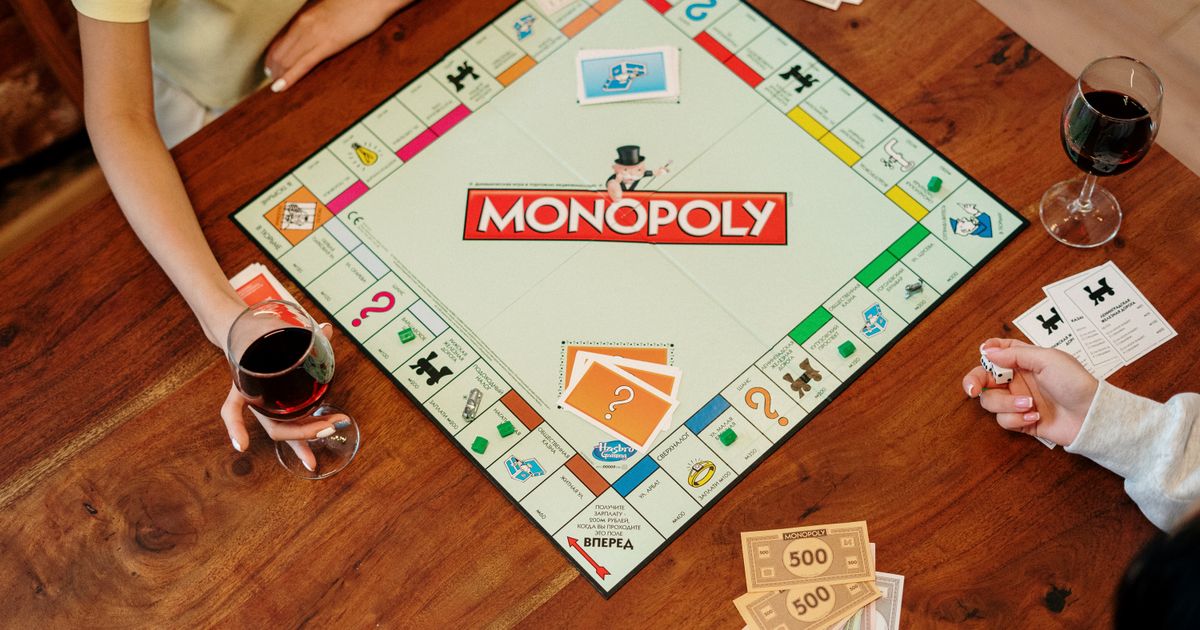
Show HOW through a demo turn (2-3 minutes). Play the first turn in front of everyone while narrating your thought process. "I am going to pick these tiles because I want to start filling this row. See how that works?" Then have each player take their first turn with guidance.
Introduce advanced rules AS THEY COME UP. Do not front-load every edge case and scoring nuance. When a situation arises naturally, explain it then. "Oh good, this is actually the first time someone has filled a row, so here is how scoring works."
The First Game Night: Setting the Stage
Environment matters more than you think. Here is how to set up a great first experience:
Keep the group small. Three to four players is ideal for a first game. Large groups create downtime, which is the enemy of engagement. If you have six people, split into two groups playing different games rather than cramming everyone into one experience.
Have the game fully set up before people arrive. A table covered in organized components looks inviting. A table covered in baggies, rulebooks, and scattered tokens looks like homework.
Provide snacks and drinks. This is a social event, not a classroom. A relaxed, casual atmosphere keeps the pressure low. Check our game night hosting guide for ideas.
Play music at a low volume. Background music fills awkward silences during thinking turns and makes the evening feel like a gathering, not a competition. Our playlist guide has suggestions.
Do not keep score until the end. Tracking scores publicly throughout the game puts pressure on newcomers. Let people play freely and tally at the end. You want "Oh wow, I almost won!" not "I'm already 30 points behind, what's the point."
During the Game: Be a Host, Not a Coach
Your role during the first play is host, not competitor. Here is what that looks like:
- Play slightly below your ability. This does not mean throwing the game. It means not playing your optimal strategy. Leave good moves on the table. Let new players discover them.
- Celebrate their good moves. "Oh, that was clever! You just blocked me from getting those rubies." Specific praise teaches strategy without lecturing.
- Never criticize a move. Even if they make a terrible play. Especially if they make a terrible play. They will learn through experience, and criticism during a first game is a guaranteed way to lose a potential gamer.
- Keep the pace moving. Gently prompt players whose turns are taking long. "No pressure, but a good rule of thumb is to go with your gut on the first playthrough. You'll see the strategy more clearly in game two."
- Let them win. Really. If you are playing a competitive game and it is close, ease off the gas. Their first memory should be "I played a board game and I was good at it," not "I played a board game and got demolished by the person who made me try it."
After the Game: The Follow-Up
What you do after the first game matters as much as the game itself.
Ask what they liked. Listen to their answers and use them to choose the next game. If they loved the social deduction in Codenames, maybe Mysterium or Deception: Murder in Hong Kong comes next. If they loved the puzzle in Azul, try Sagrada or Patchwork.
Do not overwhelm with options. Enthusiastic hobbyists tend to rattle off 15 game recommendations the moment someone shows interest. Pick one or two that match their taste and suggest those.
Schedule the next game night within a week. Momentum matters. If you wait a month, the excitement fades. If you follow up within days, the habit forms.
Lend them a game. If they expressed real interest, offer to loan them a gateway game. Physical ownership builds investment in the hobby. Just make sure it is something simple they can play with their own friends or family without you there to teach.
Common Mistakes to Avoid
After hundreds of introductions, these are the pitfalls to avoid:
- Starting with your favorite game instead of the right game. Spirit Island is brilliant, but showing a non-gamer a game with 20 unique spirits and a 45-minute teach is a recipe for disaster.
- Over-explaining before the first turn. Analysis paralysis is real, and it is worse when someone feels like they need to remember everything you just said.
- Being too competitive. Winning a game you chose, taught, and played 50 times against someone on their first try is not impressive. It is obnoxious.
- Picking games based on BGG ratings instead of audience fit. A 8.5-rated game is meaningless if your audience needs a 7.0 that teaches in three minutes.
- Ignoring body language. If someone looks confused, bored, or frustrated, change course. Suggest a different game, take a snack break, or wrap up early on a high note.
Introducing people to modern board games is genuinely one of the most rewarding things about the hobby. There is nothing like watching someone's face light up when they discover that tabletop gaming is so much more than they thought. You just have to meet them where they are and let the games do the heavy lifting.
Ready to build out your gateway collection? Start with our best beginner games for 2026 and our guide to hosting the perfect game night.
Published by the Board Game Serial editorial team. Published May 31, 2026. Updated September 12, 2026.
Editorial responsibility: see Imprint.
Spotted an error or have something to add? corrections@boardgameserial.com
You might also like

How to Teach Board Game Rules Without Putting People to Sleep
Stop reading the rulebook aloud. Here's a quick framework for teaching any board game in a way that keeps people engaged and playing faster.

How to Sell or Trade Used Board Games
Your shelf is overflowing and some games just do not get played anymore. Here's how to move them along to someone who will actually enjoy them.

Bag Building Games: The Mechanic You're Sleeping On
Deck building gets all the attention, but bag building offers the same satisfying engine construction with a tactile twist. Here's why you should be paying attention to this mechanic.
Explore more
All articles on Board Game Serial →
Roll the Dice on Great Content
New reviews, hidden gems, and game night ideas — every Tuesday.
🎁 Free bonus: The Essential Starter Collection (PDF)