This article may contain affiliate links. If you make a purchase through these links, we may earn a small commission at no extra cost to you. This helps us keep creating free content.

Board Game Cafe Etiquette: 10 Unwritten Rules You Should Know
Board game cafes typically charge a cover fee of $5 to $10 per person for unlimited access to a library that can run anywhere from 500 to over 1,000 titles, and that fee model only works if guests treat the games with more care than a game they own outright.
The format took off in North America after Snakes & Lattes opened in Toronto in 2010, and hundreds of cafes have since copied the library-plus-cafe model. Staff at these venues repeat the same handful of complaints: torn sleeves, missing pieces, and tables held for hours without a single order. None of it is malicious. Most first-time visitors simply do not know the norms, because no one hands out a rulebook for the room itself.
Before You Sit Down
Most cafes ask you to check in at the counter first, even if a table is already open. This lets staff track how many people are in the building against fire code limits and lets them recommend a game based on your party size and the time you have. Reservations matter more on weekend evenings, when a four-top can be booked solid from 6 p.m. to close.
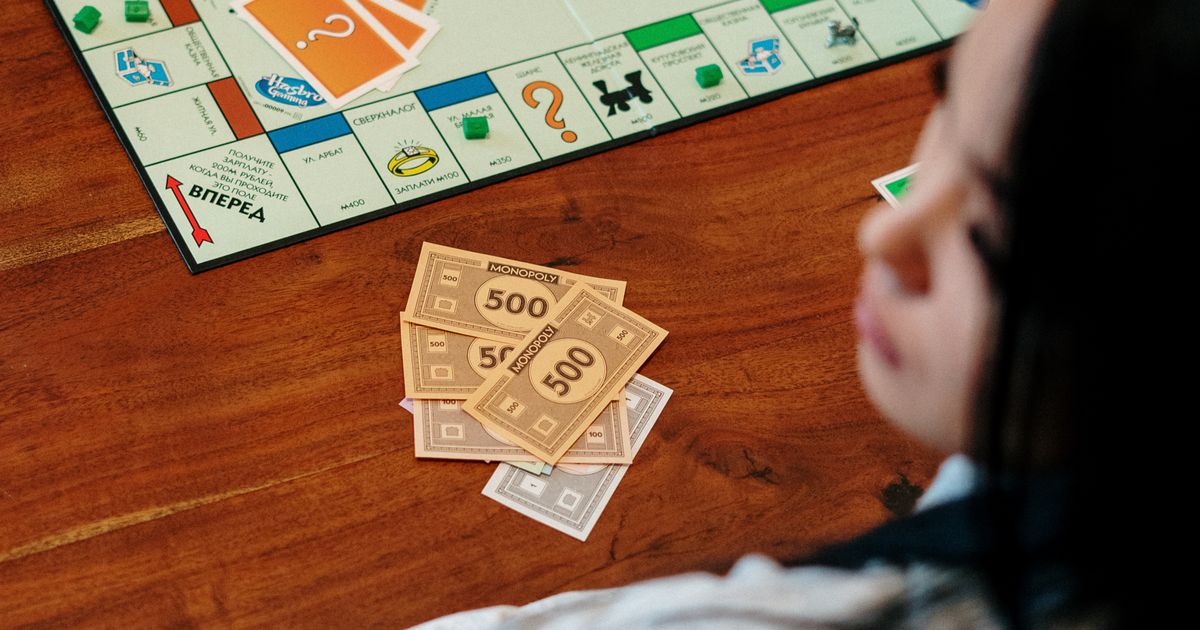
10 Rules Regulars Follow
- Check the box before you play. Count the components against the insert or rulebook checklist. If something is missing, tell staff immediately so the next table is not blamed for it.
- Wash your hands before handling cards. Greasy fingers degrade card stock faster than shuffling ever will, and a sticky card sleeve is a permanent problem for the next 50 groups who rent that copy.
- Never eat or drink over the components. Keep food and glasses on a separate corner of the table. A spilled soda can end a $60 game's rental life in one afternoon.
- Sleeve games that come with sleeves already applied. If the copy you pulled already has protective sleeves on the cards, do not remove them.
- Return the game exactly as you found it. Cards sorted back into their original stacks, tiles bagged, miniatures in their foam slots. A five-minute cleanup saves the next renter ten minutes of hunting for stray pieces.
- Flag broken or missing pieces at the counter, not by leaving the box on the shelf. Staff can order a replacement piece from the publisher faster if they know within the hour, not days later.
- Respect table time limits during peak hours. Many cafes cap sessions at 90 to 120 minutes on Friday and Saturday nights specifically so long campaign games do not lock out walk-ins.
- Ask before joining an open seat at someone else's table. Community tables are common, but the existing group decides whether a new player fits into the current game.
- Keep voices at a level that does not carry three tables over. Competitive games like Codenames or Werewolf get loud fast; most staff will give one friendly warning before asking a table to dial it back.
- Tip your server even though you are paying a cover charge. The cover pays for the library, not the staff refilling water and explaining rules, and library maintenance and rules coaching are two separate jobs.
Codenames Board Game, 2nd Edition
Word-association party game for two competing teams, the exact kind of loud, fast-round title that works well at a shared cafe table.
See on Amazon →Why the Rules Exist
A single copy of a mid-weight strategy game can cost a cafe $40 to $80, and heavier titles with miniatures or custom inserts run well past $100. A library of 700 games at an average of $50 each represents roughly $35,000 in inventory sitting on open shelves, handled by dozens of strangers every week. Component loss is the main reason cafes eventually retire a title from rotation, and once a publisher discontinues a print run, a missing meeple can make the whole box unrentable.

Staff at these venues are also unofficial teachers. A good table coach can walk a group through a game like Wingspan or Ticket to Ride in under ten minutes, but that only works if the table is patient during setup and does not start touching components before the explanation is finished.
Handling Disputes and Damaged Copies
Rule disagreements happen constantly, especially in games with ambiguous card text. The house standard at most cafes is simple: check the official FAQ or rulebook first, and if the table still disagrees, staff make the final call rather than letting the argument eat into your session time. Bringing up a rules question on your phone mid-game is normal and expected.
If you damage a component, most cafes will not charge you for accidental wear from normal play, but they will ask you to report it. Cafes that track damage honestly tend to keep their libraries in better condition over time, because staff can pull a game for repair before the next ten groups rent a broken copy.
What Regulars Get Right
The cafes that build the strongest regular customer base are the ones where new visitors are treated the same as weekly attendees. Show up on time for a reservation, order something beyond water, and return your game in the same condition you found it, and staff will remember you. That is the entire unwritten code, and it holds up whether you are visiting a 40-seat neighborhood spot or a 300-seat flagship location.

Peak Hours and What Changes
Friday and Saturday nights between 6 p.m. and 10 p.m. account for the bulk of a cafe's weekly revenue, and staffing, seating, and rules coaching all get stretched thin during that window. A four-top that easily seated a slow Tuesday afternoon group for three hours will often be capped at 90 minutes on a Saturday, with a line of walk-ins waiting behind the host stand. Booking ahead for weekend visits is not just polite, it is often the only way to guarantee a seat at all in cities with a handful of popular locations.
Weekday afternoons tend to run the opposite direction: cafes actively want longer sessions from smaller groups, since a table occupied by two people nursing coffee for four hours on a Tuesday is not competing with anyone else for space. Ask staff which hours run quiet if you want a low-pressure environment to learn a heavier campaign game like Gloomhaven or Spirit Island without a clock running against you.
Teaching New Players at the Table
If your group includes someone new to the hobby, resist the urge to explain every rule up front. Cafe staff who train new employees on rules coaching are taught to explain just enough to start the first round, then fill in edge cases as they come up naturally in play. A 45-minute rules dump before anyone touches a card is the single fastest way to lose a first-time visitor's interest, regardless of how good the game actually is once it gets moving.
Published by the Board Game Serial editorial team. Published June 28, 2026. Updated September 12, 2026.
Editorial responsibility: see Imprint.
Spotted an error or have something to add? corrections@boardgameserial.com
You might also like

Board Game Rules Disputes: Solving Arguments Without Flipping Tables
Rules disagreements happen at every game table. We share our proven system for resolving disputes quickly, fairly, and without ruining friendships or game nights.

How to Teach a Board Game Without Losing Everyone at the Table
Bad rules explanations kill more game nights than bad games. Here's a step-by-step method to teach any board game clearly and keep everyone engaged.

How to Organize a Board Game Tournament at Home
Explore more
All articles on Board Game Serial →
Roll the Dice on Great Content
New reviews, hidden gems, and game night ideas — every Tuesday.
🎁 Free bonus: The Essential Starter Collection (PDF)