This article may contain affiliate links. If you make a purchase through these links, we may earn a small commission at no extra cost to you. This helps us keep creating free content.

Building a Board Game Collection: Beginner Guide with Buying Advice
Three years ago, our entire board game collection fit on a single shelf. Today it fills two entire Kallax units, has overflowed into a closet, and we are in active negotiations about whether the guest room can become a game room. If that trajectory sounds familiar, or if you are just starting out and want to avoid the mistakes we made along the way, this guide is for you.
Building a board game collection is one of the most rewarding aspects of the hobby. There is something magical about scanning your shelves and knowing that every game there represents a different kind of fun you can have on any given evening. But it is also easy to spend too much money, buy games you never play, and end up with a bloated collection that causes more stress than joy. We have done all of those things, and we are here to help you do better than we did.
Starting Smart: Your First Five Games
The most common mistake new collectors make is buying too many games at once. Board games are exciting, the hobby is full of incredible options, and it is tempting to grab everything that looks interesting. Resist that urge. Start with a carefully chosen foundation of about five games that cover different types of gaming experiences, and build from there only when you have played those games enough to know what you want next.
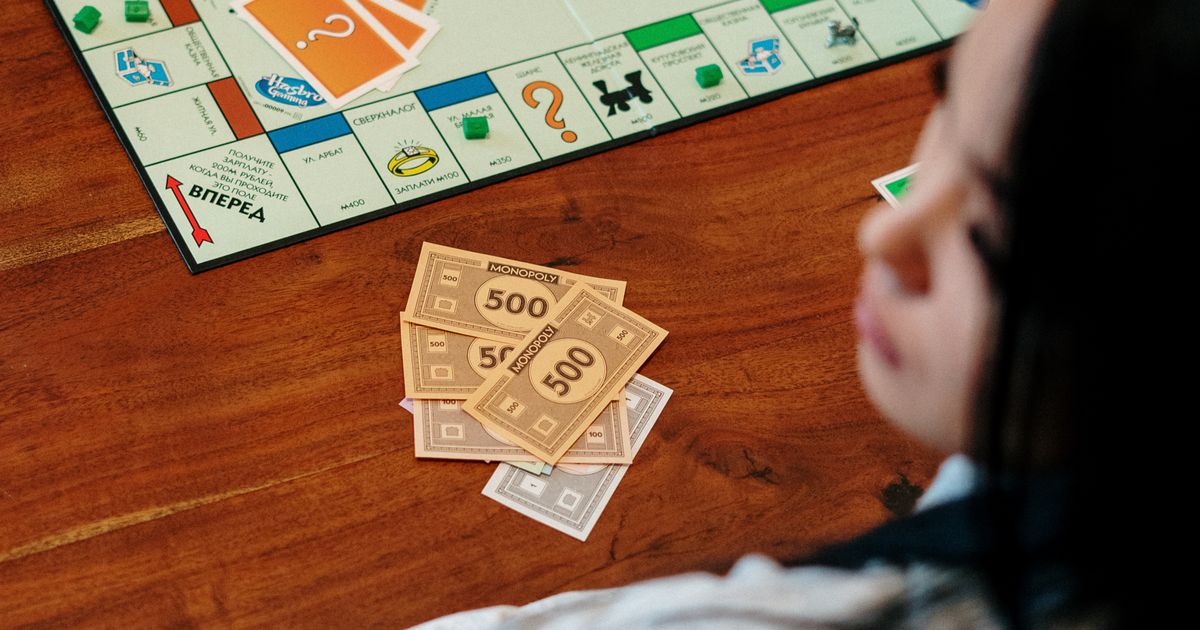
Here is the framework we recommend for your first five games. You want one each of the following categories: a gateway game that anyone can play, a two-player game for quieter evenings, a cooperative game for collaborative play, a party game for larger groups, and one slightly heavier game that represents the direction you might want to grow.
With these five games, you can host a game night for almost any group size and find something appropriate for almost any mood. That is a complete gaming library for a fraction of what many people spend on a single weekend of entertainment. Play each of these games at least five times before you start adding to your collection. You will be amazed at how much depth reveals itself after multiple plays.
Understanding What You Like
The single most important thing you can do as a new collector is figure out what kinds of games you actually enjoy. This sounds obvious, but it is easy to get swept up in hype, recommendation lists, and beautiful box art without stopping to ask whether a game matches your actual preferences.

Start by paying attention to what you enjoy in your first few games. Do you love the puzzle of fitting tiles together in Azul? Then you probably enjoy spatial reasoning games and should explore more drafting and tile-laying games. Do you love the tension of trying to block your opponent in Ticket to Ride? Then competitive route-building and area control games might be your thing. Does the cooperative experience of Pandemic get your heart racing? Then check out our cooperative games guide for your next purchase.
Board games can be categorized by their primary mechanics: worker placement, deck building, area control, drafting, engine building, auction, and many more. Understanding which mechanics appeal to you is the key to making purchases you will not regret. Think of mechanics like genres in music. Once you know you love jazz, you can explore within that space more efficiently than just listening to everything randomly.
Budgeting for the Hobby
Let us talk about money, because board gaming can get expensive fast if you are not careful. A typical new board game costs between $30 and $60 at retail. Premium or deluxe editions can run $80 to $150 or more. Kickstarter campaigns with all the expansions can reach $200 or beyond. If you are buying two or three games a month without a plan, you are spending $1,000 or more per year on board games.
We are not here to tell you how much to spend. That is a personal decision. But we can share the budgeting strategies that work for us. We set a monthly board game budget of $50. That amount lets us buy roughly one new game per month, or save up for a bigger purchase every couple of months. Having a defined budget forces us to be intentional about what we buy instead of impulse-purchasing everything that catches our eye.

Here are some ways to stretch your board game budget further. Buy games on sale. Online retailers frequently discount games, especially during holiday sales events. CamelCamelCamel is a great price tracking tool for Amazon. Local game stores sometimes have clearance sections with genuine bargains. Join a local board game group. Many cities have meetup groups where members bring games and everyone plays together. This lets you try games before buying and gives you access to a much larger library than you could afford on your own.
Consider the secondhand market. Board games in excellent condition regularly appear on Facebook Marketplace, eBay, and the BoardGameGeek marketplace for 30 to 50 percent below retail. We have scored several of our favorite games at steep discounts from people who played once and decided the game was not for them. Your gain is their loss, and the games are usually in perfect condition.
And do not overlook free options. Print-and-play games cost virtually nothing and can be excellent. Our guide to print-and-play games covers the best free games you can download and play today. Libraries increasingly lend board games, and some cafes offer gaming for the cost of a coffee.
The Cult of the New vs. Playing What You Have
Board gaming has a culture problem that the community openly acknowledges and struggles with: the cult of the new. There are hundreds of new board games released every year. BoardGameGeek buzzes with excitement about each new hotness. Social media feeds are filled with unboxing videos and first-impression reviews. The pressure to buy the latest games is constant and powerful.
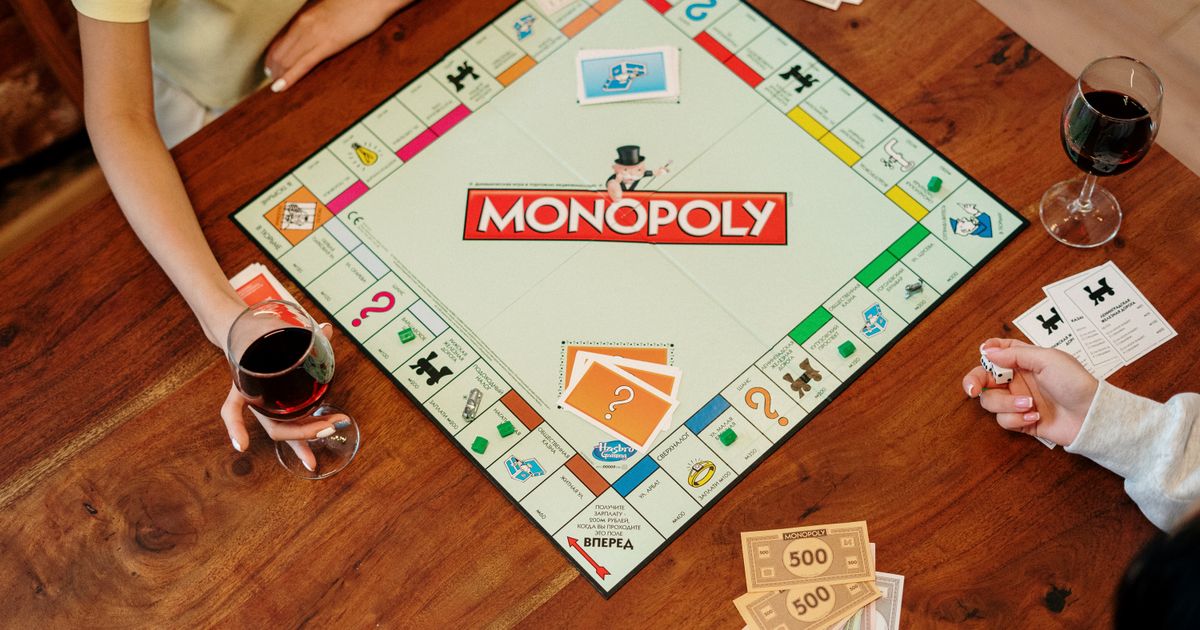
Here is the truth that took us too long to learn: most board games get better with repeated play. The first time you play a game, you are learning the rules and getting your bearings. The second and third times, you start to see strategy emerge. By the fifth play, you are making meaningful decisions and appreciating design nuances you missed entirely the first time. Buying a new game every week means you never reach that deeper level of enjoyment with any of them.
We now follow a rule we call the "ten play threshold." We try to play each game at least ten times before adding a new game in the same category to our collection. This rule has single-handedly transformed our relationship with our collection. We spend less money, enjoy our games more deeply, and make much better purchasing decisions because we truly understand what we have before buying something new.
Organizing Your Collection
As your collection grows, organization becomes increasingly important. A well-organized collection makes it easier to find the right game for any occasion, encourages you to play games that might otherwise gather dust, and honestly just looks beautiful on a shelf.
The Kallax shelving unit from IKEA is the unofficial standard for board game storage. Its cube-shaped compartments are almost perfectly sized for standard board game boxes, and the units come in various sizes to fit different spaces. We started with a 2x4 Kallax and added a second one when our collection outgrew it. At some point, a third will probably appear. We are aware of the problem and are choosing not to address it.
Within your shelving, organize games in a way that makes sense for how you actually play. We organize by player count and complexity rather than alphabetically. Our shelves have sections for two-player games, party games, gateway games (for hosting non-gamer friends), and heavier strategy games. This means we can scan the relevant section when we are deciding what to play instead of browsing the entire collection.
Store games vertically whenever possible. Storing games on their side, like books on a shelf, saves space and makes it easy to pull out the game you want without disturbing the others. However, some games with loose components inside should be stored flat to prevent everything from shifting. Games with card trays or well-designed inserts handle vertical storage best.
Consider aftermarket inserts. Many board game boxes have mediocre or nonexistent internal organization. The components rattle around loose, setup takes forever as you sort through bags of pieces, and cards get bent against other components. Companies like Folded Space make custom foam inserts for hundreds of popular games, and they are genuinely transformative. A good insert cuts setup time in half and protects your components.
Curating vs. Collecting
There is an important distinction between collecting and curating. A collector accumulates. A curator selects. We strongly encourage you to think of yourself as a curator. Every game on your shelf should earn its place by being something you actively want to play. If a game has sat unplayed for a year, it is probably time to find it a new home.
Selling or trading games you no longer play is not a failure. It is healthy curation. The secondhand market is robust, and the game you no longer enjoy might become someone else’s favorite. We do a collection audit every six months where we honestly evaluate each game. Has it been played in the last six months? Do we have another game that fills the same niche better? Would we choose to play this over something else on the shelf? If a game fails all three questions, it goes on the trade pile.
This curation mindset has a powerful secondary benefit: it makes you more intentional about future purchases. When you know that every new game needs to earn its shelf space, you think much harder about whether a purchase is truly worthwhile. You start asking better questions. Is this game different enough from what I already have? Will my group actually play this? Am I buying this because I genuinely want it or because the internet told me I should?
Expansions: When to Buy and When to Skip
Board game expansions are a double-edged sword. A great expansion can transform a good game into a great one, adding variety and depth that keeps the base game feeling fresh for years. A mediocre expansion can clutter the experience with unnecessary complexity and take up shelf space that could be better used by a different game entirely.
Our general rule is to wait until you have played the base game at least 15 times before considering an expansion. If you still want more after 15 plays, an expansion is probably worthwhile. If you are buying an expansion for a game you have only played three times, you are solving a problem that does not exist. Master the base game first. Experience everything it has to offer. Then expand if you are genuinely hungry for more.
When evaluating an expansion, check the community reception. BoardGameGeek ratings and reviews for expansions are extremely helpful. Look for expansions that add meaningful variety without substantially increasing complexity or play time. The best expansions feel like they were always meant to be part of the game. The worst ones feel bolted on.
Building a Versatile Shelf
A well-built collection is versatile. It can handle any gaming situation you might encounter. Here is a framework for thinking about collection versatility as you grow beyond your initial five games.
Player count coverage. Make sure you have games that work well at every player count you regularly encounter. If you frequently host game nights for six people but only own games that play up to four, you have a gap in your collection. Similarly, having a few excellent solo games means you can enjoy the hobby even when nobody else is available.
Complexity spectrum. Have games at different complexity levels so you can match the game to the group. Light games for casual friends, medium games for your regular group, and heavier games for when you want a deep strategic challenge. This spectrum ensures you are never stuck serving a complex strategy game to people who just want to have fun and laugh.
Mechanical variety. Collect games with different core mechanics to keep things fresh. If every game on your shelf is a worker placement game, even excellent ones, your game nights will start to feel samey. Mix in some deck builders, some area control games, some cooperative experiences, and some party games. Variety is the spice of both life and board gaming.
Mood coverage. Some evenings call for intense strategic competition. Others call for laughing until your sides hurt. Others call for cooperative teamwork against a shared challenge. A versatile collection covers all these moods. If you are looking for games that work when the group wants to collaborate rather than compete, try exploring the Pandemic Legacy experience for an unforgettable cooperative campaign.
Where to Buy Board Games
You have several options for purchasing board games, and each has advantages. Local game stores are our preferred option. They offer knowledgeable staff, the ability to see and sometimes try games before buying, and community events. Prices are sometimes slightly higher than online, but supporting local businesses keeps the hobby community healthy.
Online retailers like Amazon, Miniature Market, and CoolStuffInc offer competitive prices and massive selection. The convenience is hard to beat, especially for people without a local game store nearby. Watch for sales and use price tracking tools to snag deals.
Board game conventions are incredible places to buy games. Publishers often offer convention-exclusive deals, you can try games before buying, and the atmosphere is electric. If you have never been to a board game convention, put one on your calendar this year.
The secondhand market is where patient buyers find the best deals. BoardGameGeek has a robust marketplace. Facebook board gaming groups often have buy/sell/trade threads. And eBay can turn up rare finds at reasonable prices. Always check the condition carefully and compare prices before buying used.
The Joy of a Well-Built Collection
A great board game collection is not the biggest one. It is the one that gets played the most. It is the one where every game has a purpose, every shelf tells a story, and you can find the perfect game for any occasion in under a minute. It is the one that makes your friends excited when they see it because they know a great evening is guaranteed.
We are still refining our collection. Games come and games go. Our tastes evolve, our gaming group changes, and the hobby keeps producing incredible new designs. But the core principles have stayed the same: buy intentionally, play deeply, curate honestly, and never lose sight of the fact that the games are there to create memorable experiences with the people you care about. Everything else is just cardboard and plastic.
For our latest picks across all categories, check out the best board games of 2025. And if you are just getting into the hobby, welcome. You are going to love it here.
About the Team
The Board Game Serial Team
We're board game reviewers and community organizers who have played and reviewed hundreds of tabletop games. We help you find the perfect game for any group.
You might also like

Board Game Table Setup: Making Any Table Game-Ready
You do not need a thousand-dollar gaming table. We share practical tips for turning any dining table into a comfortable gaming surface that works for any game.

Best Board Games for Beginners: 10 Games That Convert Non-Gamers
Looking to get your friends into board games? These 10 gateway games have converted more non-gamers than any elevator pitch ever could. Tested and approved by reluctant spouses everywhere.
Explore more
All articles on Board Game Serial →
Roll the Dice on Great Content
New reviews, hidden gems, and game night ideas — every Tuesday.
🎁 Free bonus: The Essential Starter Collection (PDF)